Evelyn Gottschall Baker - Developing New Approaches to Pâte de Verre - Glass Talk - 10th July 2026 5:30PM
This is a live online talk, presented over Zoom.
This is a free event, but booking is still required.
Places for the talk are limited to ensure a manageable Zoom environment, so early registration is advised.
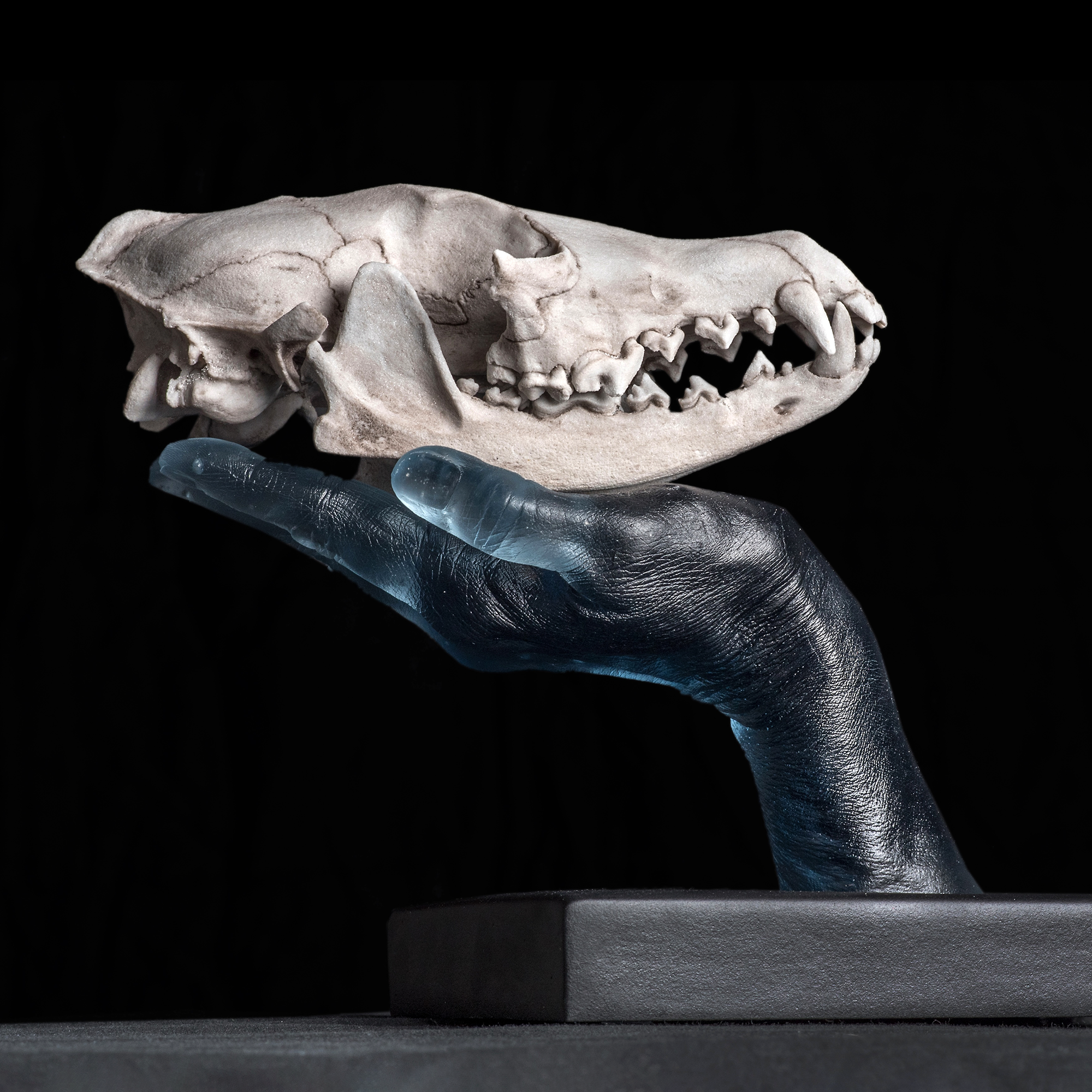
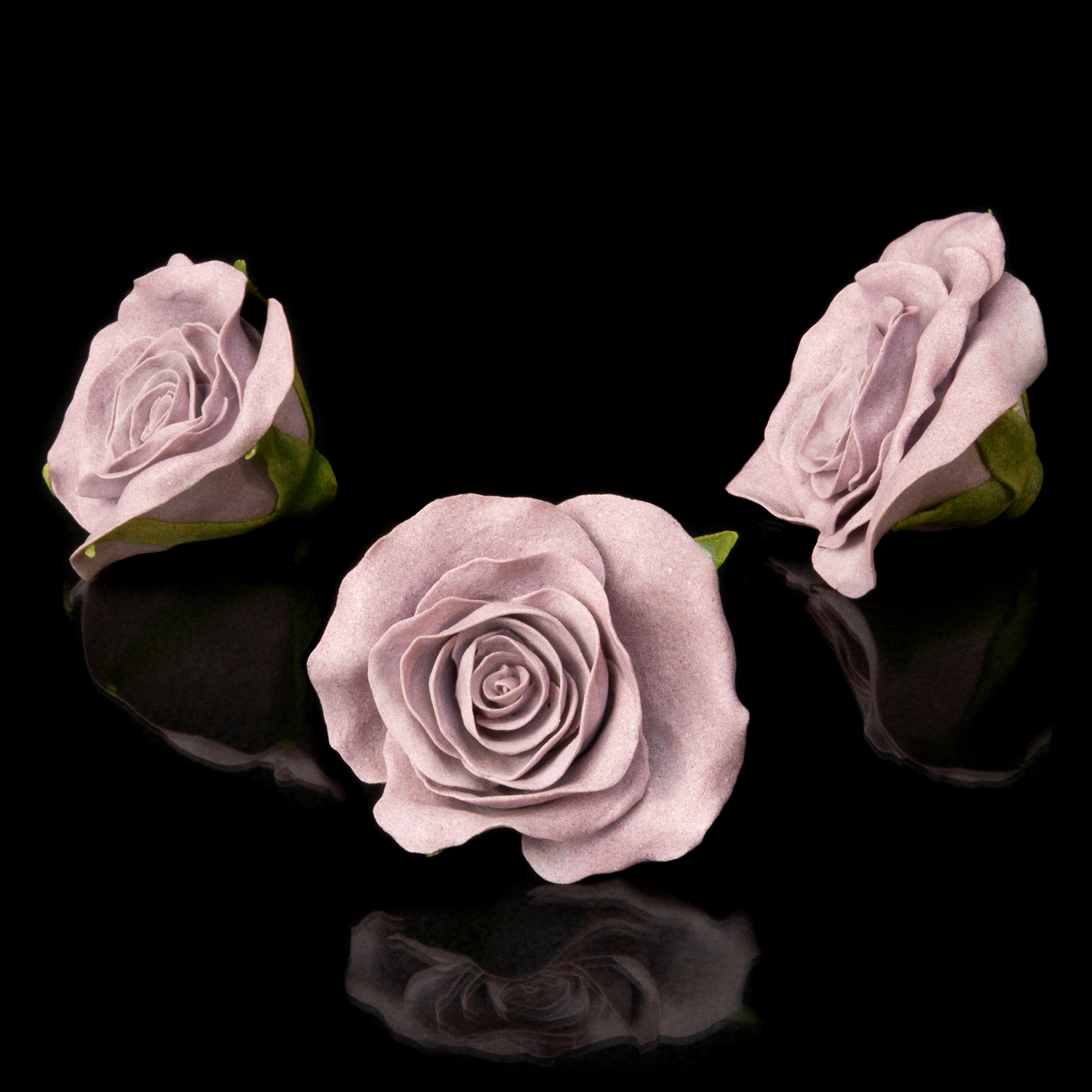
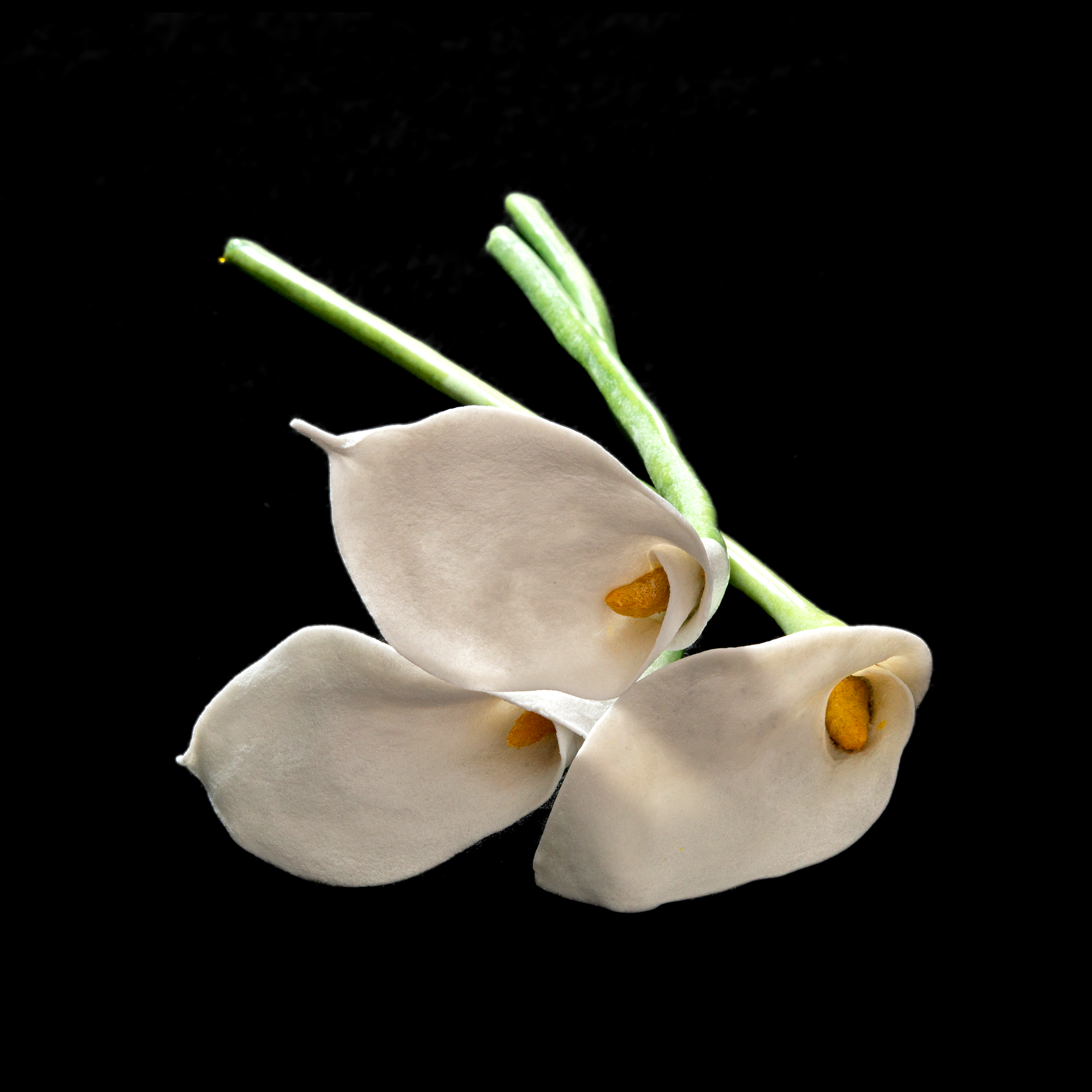
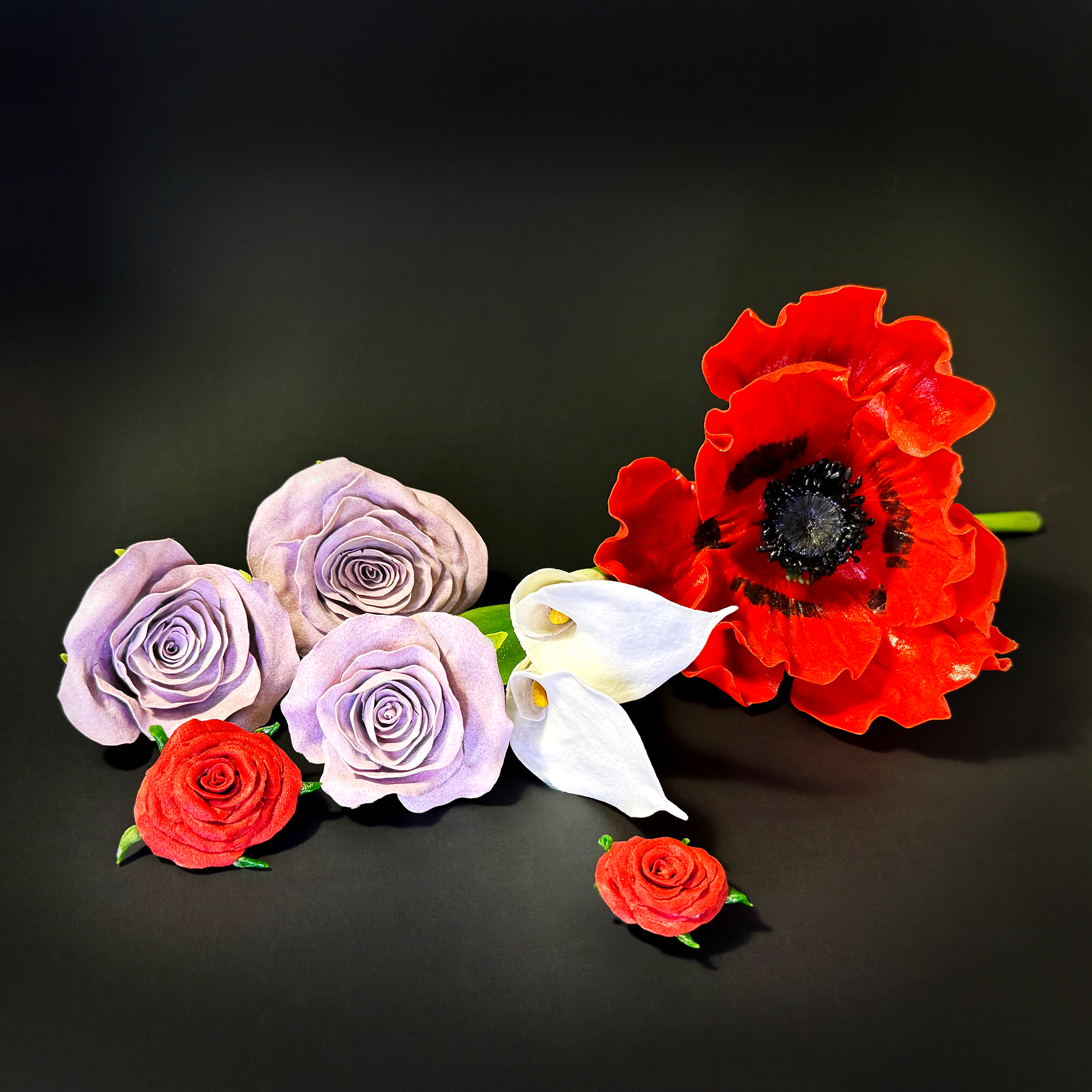
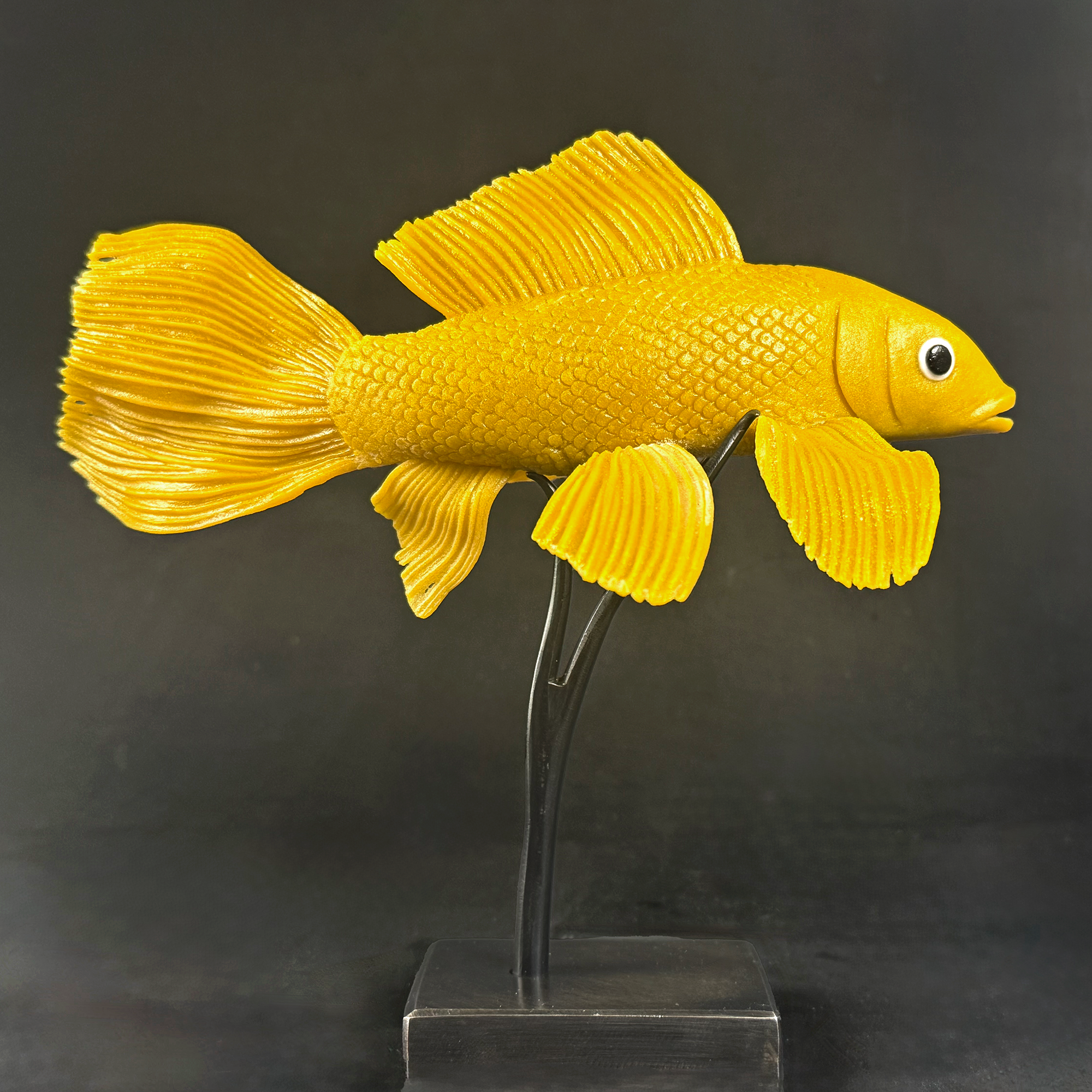
In this talk, artist Evelyn Gottschall Baker will share a range of major works completed over the past seven years, with a look at the artistic and technical challenges behind each Pâte de Verre piece. She will look into the science of how and why her process works, including the role of powdered glass, binder chemistry, and the effects of controlled heat. Evelyn will compare and contrast three different binders and offer a detailed breakdown of the firing schedule, showing how each stage of heat work influences texture, strength, and colour development.
The session will cover core techniques, plus an introduction to new directions Evelyn is currently exploring to push this process even further. Challenges unique to this method, like achieving colour maturity, managing shrinkage, and ensuring consistent firing results will be addressed.
See more of Evelyn's work here: https://www.glassfractions.com/
If you want to learn more from Evelyn see her Artist Course here: https://glass-school.co.uk/products/2107039
- The talk is one live online session and you will receive a recording of the session for a week after it's taken place.
- Each of our talks is a standalone session; you do not need to have attended any previous talks
- A week before the talk, you will be granted access to the Zoom link within our learning platform.
- During the talk, you will be able to ask questions via the 'Chat' messaging facility. There will be time at the end for an open discussion. A member of the Glass School team will be online to help facilitate the talk.
- You will need a computer, tablet or phone with a camera and microphone in order to join the online classroom. If you are unfamiliar with using Zoom then please take some time to look at our guide, available in the navigation panel.
- You should have a reliable internet connection, fast enough to make video calls or stream videos
- Please read the Student Participation Agreement
- A pen and paper if you wish to take any notes.
- We restrict the participant number to 60 people
We are committed to maintaining a respectful community where all our students can learn and develop their full potential, within a safe environment.
If you have a disability or any specific requirements, please do not hesitate to contact us prior to your lesson so we can accommodate you.
*Price excluding VAT is £12.50. The correct tax will be calculated at checkout based on your location.
Cancellations up to 2 weeks before the course receive a 90% refund, after that date, a 50% refund will be given up to one week prior to the course, and no refund is given for cancellations after this time. In order to keep class costs low for all, we make no exceptions to this policy. In order to cancel your place on the course please contact info@glass-school.co.uk
Past Glass Talks
Áine Ryan
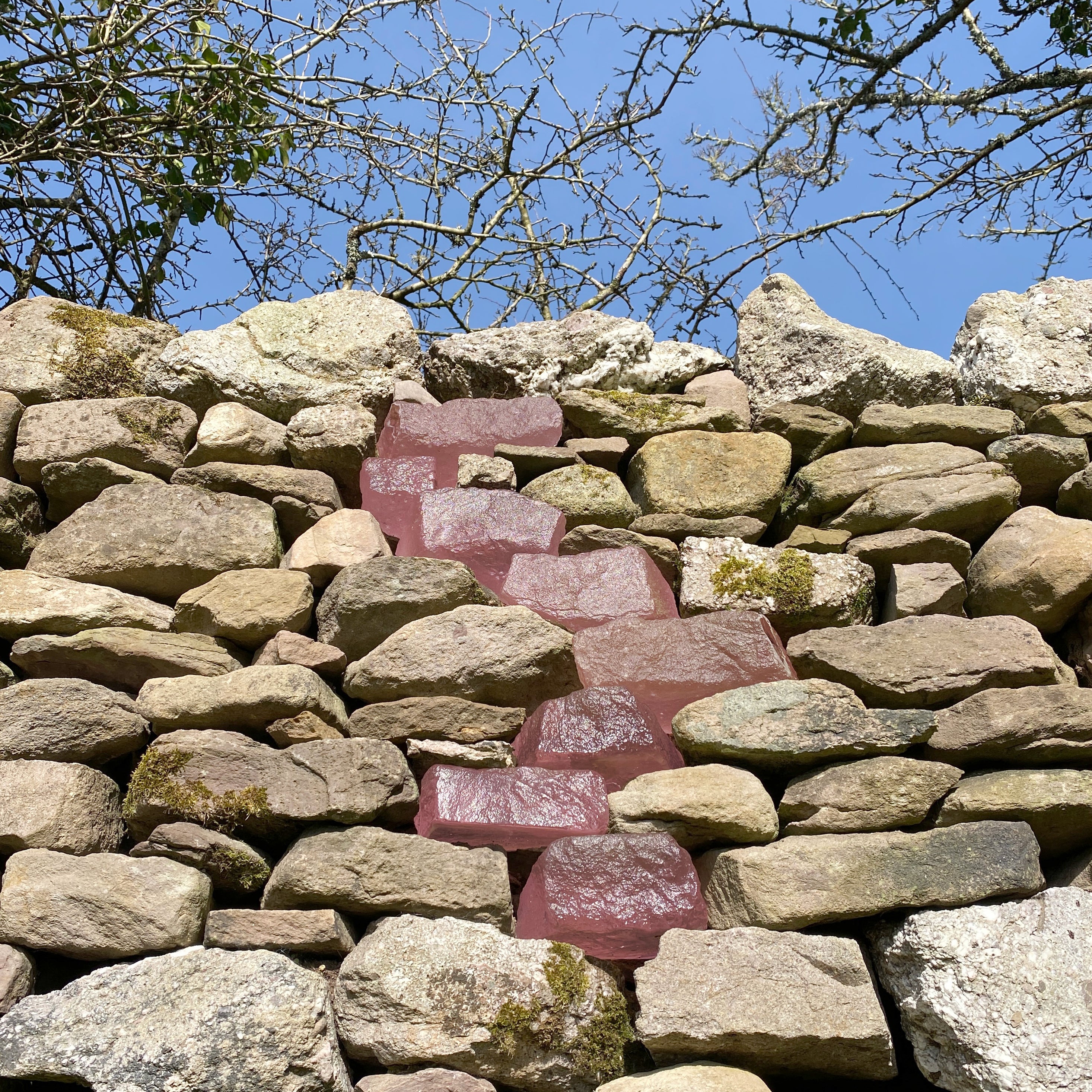
Glass, the Body and Rural Feminist Practice
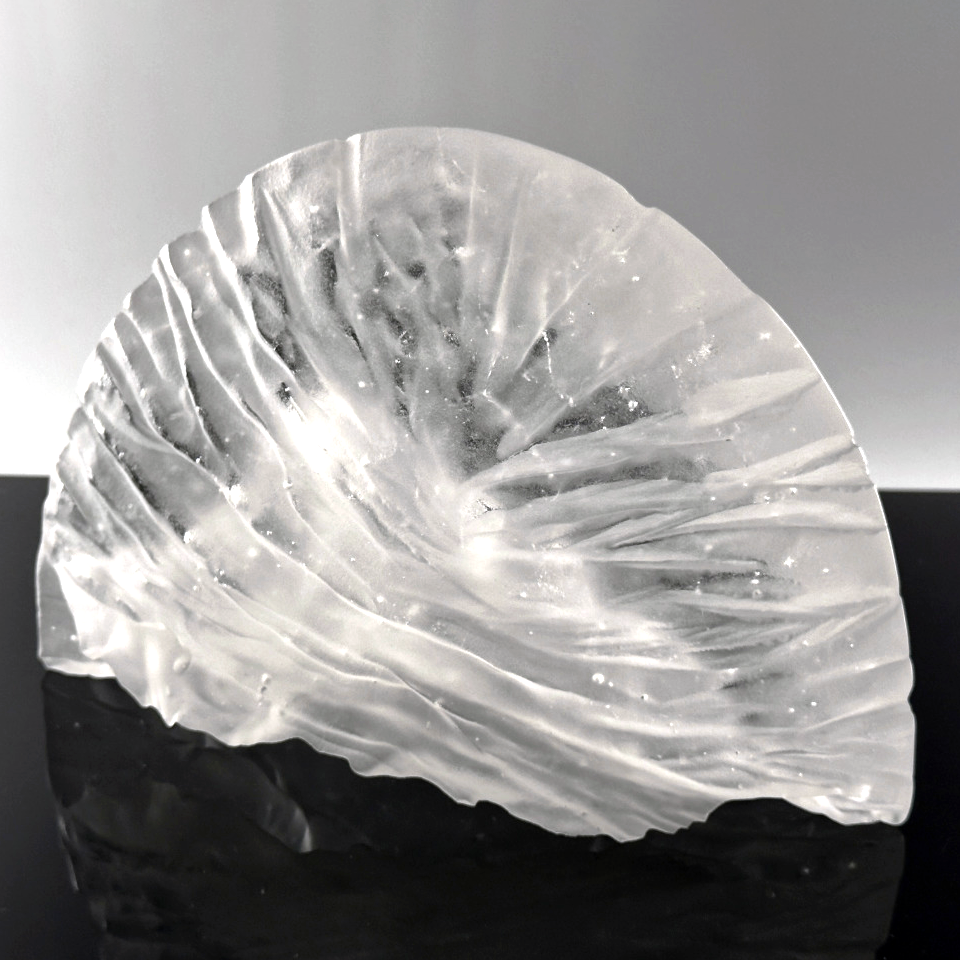
Áine Ryan discussed her artistic practice, exploring feminine identity within rural and patriarchal contexts through glass. The talk explored how glass functions both materially and conceptually within her practice: its fragility, resistance, and capacity to hold material and symbolic dualities. Áine reflected on her use of casting, textiles, found objects, and farm materials to address memory, labour, and care. Drawing on ecofeminism and the myth of Io, the talk considered the objectification of women and nature, and the overlooked role of women in rural farming families in Ireland.
Marina Hanser
Glass as Memory: Process, Concept and a Life Shaped by Materials
In this talk, artist Marina Hanser reflected on the journey that shaped her glass practice. From the Tyrolean Alps to working across several continents, her path has been defined by movement, loss, and resilience. Encouraged by her father, she discovered glass as a way to process her inner world. Through this talk, Marina discussed how memory and healing inform her work, where making becomes both expression and care.

Heike Brachlow
The Fascination of Colour in Glass
This talk explored how transparent colour transforms when held within three-dimensional form, shifting with light, thickness and perspective. Through images and stories, Heike shared how her work developed from early experiments to large-scale sculptural works.
Alongside her studio practice, Heike has pursued colour in glass as the subject of doctoral research. During this PhD, she investigated how optics affect colour, how artists might learn about colour directly through the material, and how bespoke glass colours can be created in the kiln.

Judith Wetherall
Going for Gold! 50 Years of Gilding
Judith Wetherall reflected on highlights from her long and varied career as a gilding conservator and gilder. With decades of hands-on experience, Judy had worked on a wide array of gilded objects, forming deep connections with the original makers and their remarkable craftsmanship -connections that continued to inspire her own creative work. Judy presented stories, insights, and examples from her conservation journey before diving into gilding materials and demonstrating selected practical gilding techniques helpful for glass working.
Sarah Brown
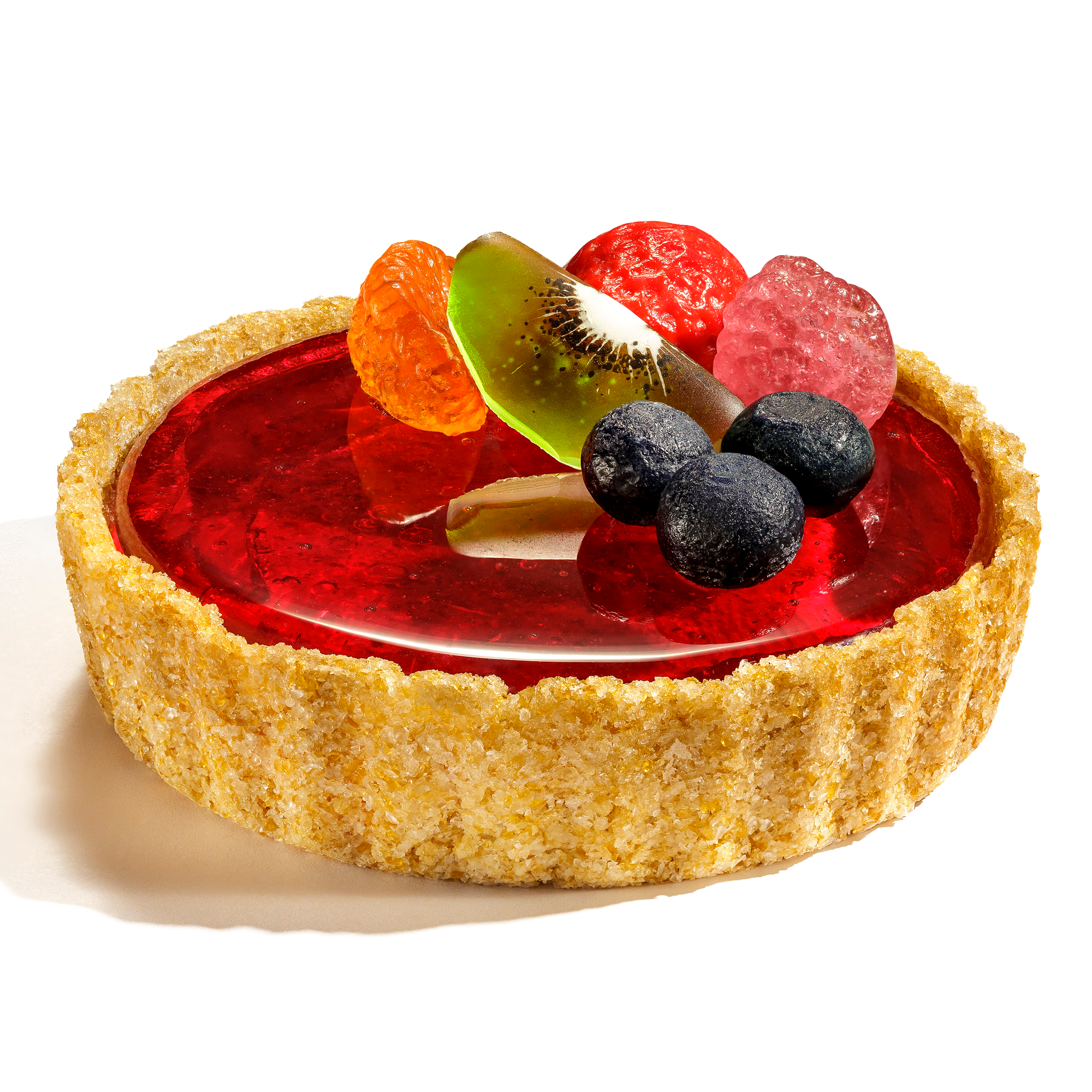
No Recipe Required: Forming Sweet Success in Glass
This talk traced Sarah Brown’s journey from choosing an art degree, through the formative years after graduation, to her current work pushing the boundaries of glass. In a candid, non-technical reflection she discussed sources of inspiration, challenging traditional approaches, and tackling ideas with no obvious method of making - showing how persistence and experimentation can guide you when there’s no map. She shared insights on embracing uncertainty, staying curious, and the ongoing adventure sparked by a childhood dream to keep making.
Catherine Dunstan
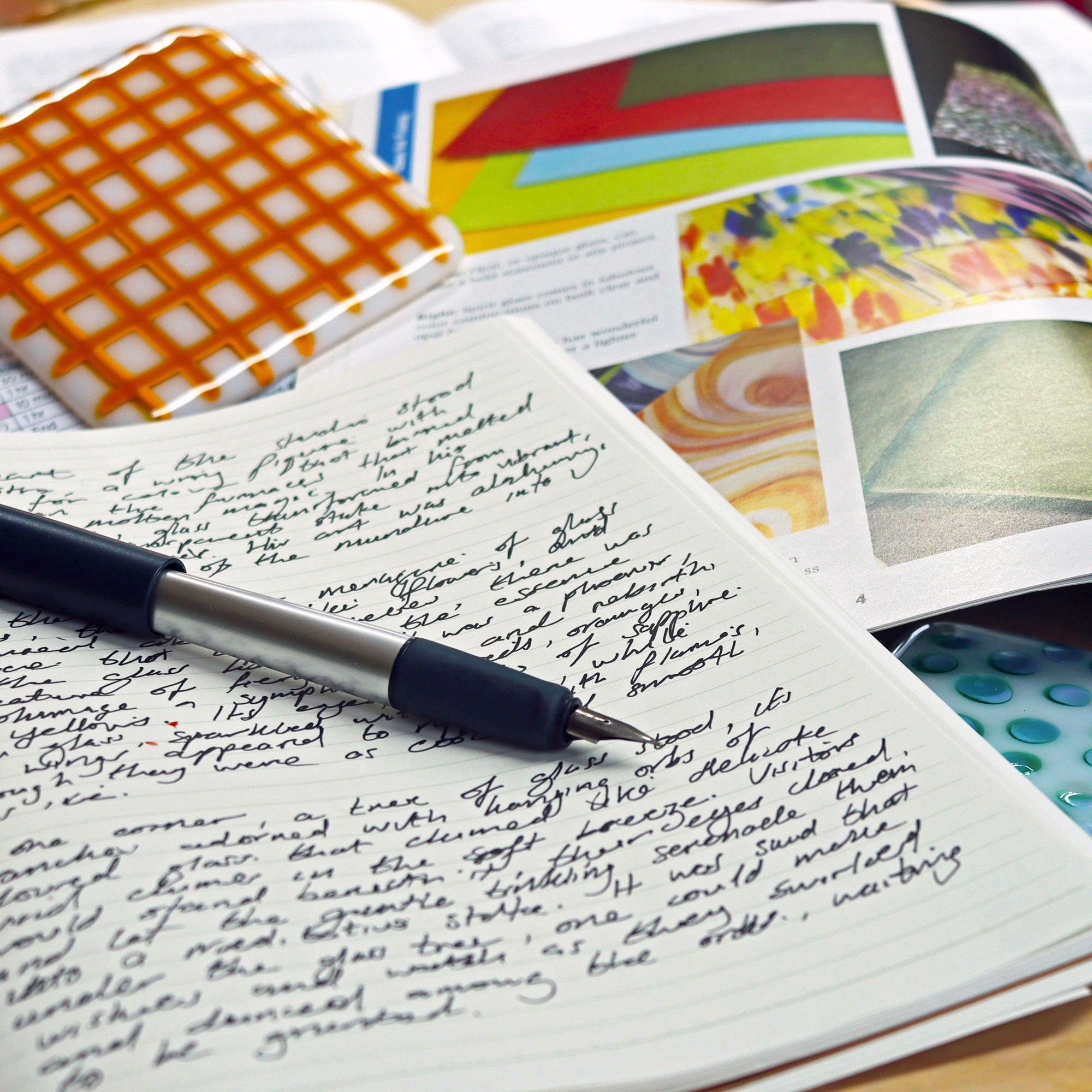
Writing Skills for Glass Artists
This seminar documented Catherine’s practical approach to using language to communicate artistic identity. She shared insights on crafting clear, authentic writing and demonstrated how thoughtful wording helps artists connect with potential clients and wider audiences.
Attendees examined real examples and discussed how different styles of writing shaped their responses, helping them identify how they wanted their own words to connect with others. Catherine also set short exercises and offered further prompts for continued practice after the session.
Steve Brown
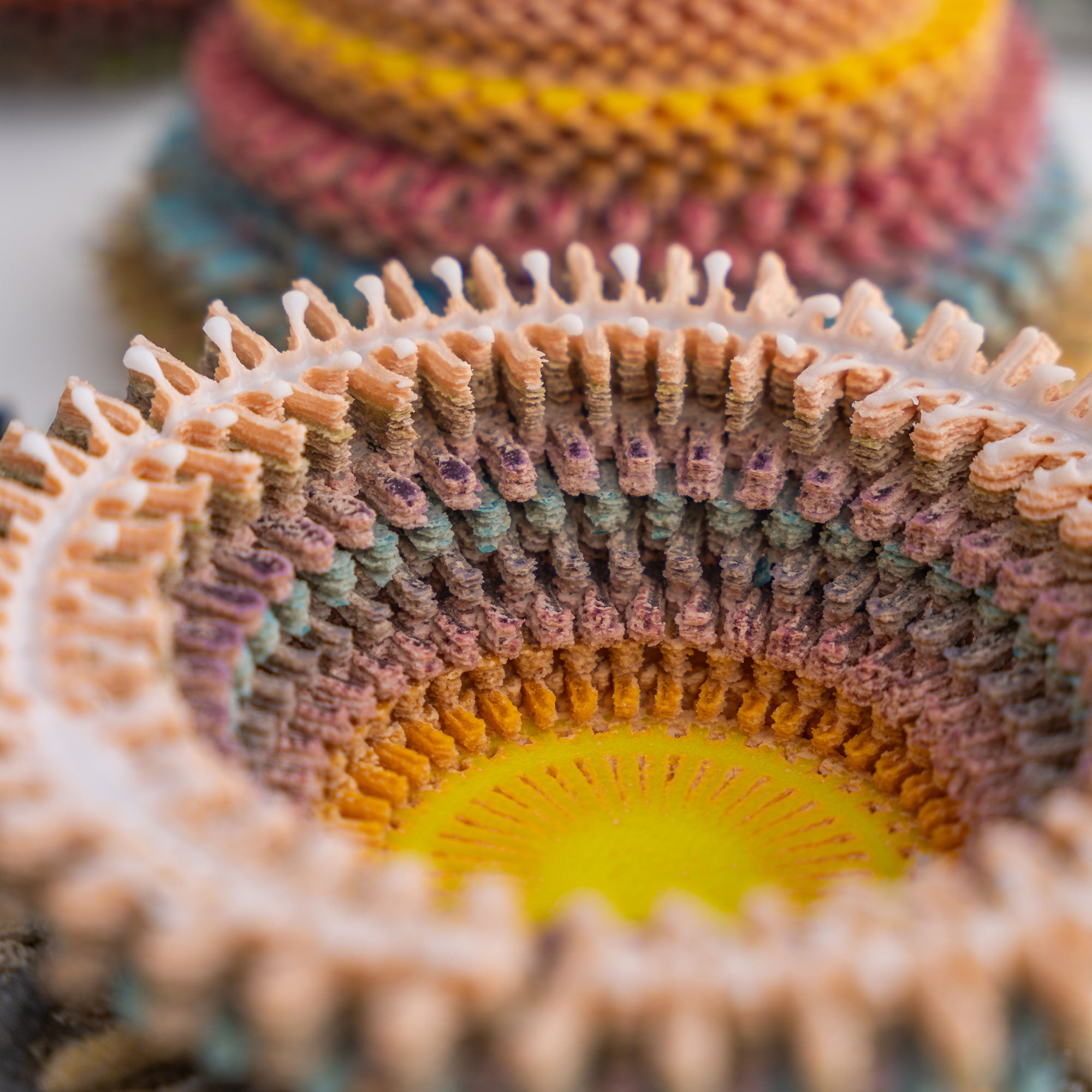
Deep Glass Printing: Image/Things
This talk explored Steve Brown’s developments in deep glass printing with fine glass and powdered materials, allowing form to emerge from patterns and imagery. He discussed his re-imagining of printmaking technology, the context for these alternative methods, and how the print matrix generates ever-changing moments where artist and process shape new aesthetics and meanings. Drawing on wide influences, he sought to re-enchant materials and processes through storytelling, metaphor and fabulation, sharing studio photographs and moving image to convey the tacit dimension of making his glass artworks.
Effie Burns
The Alchemy of Making
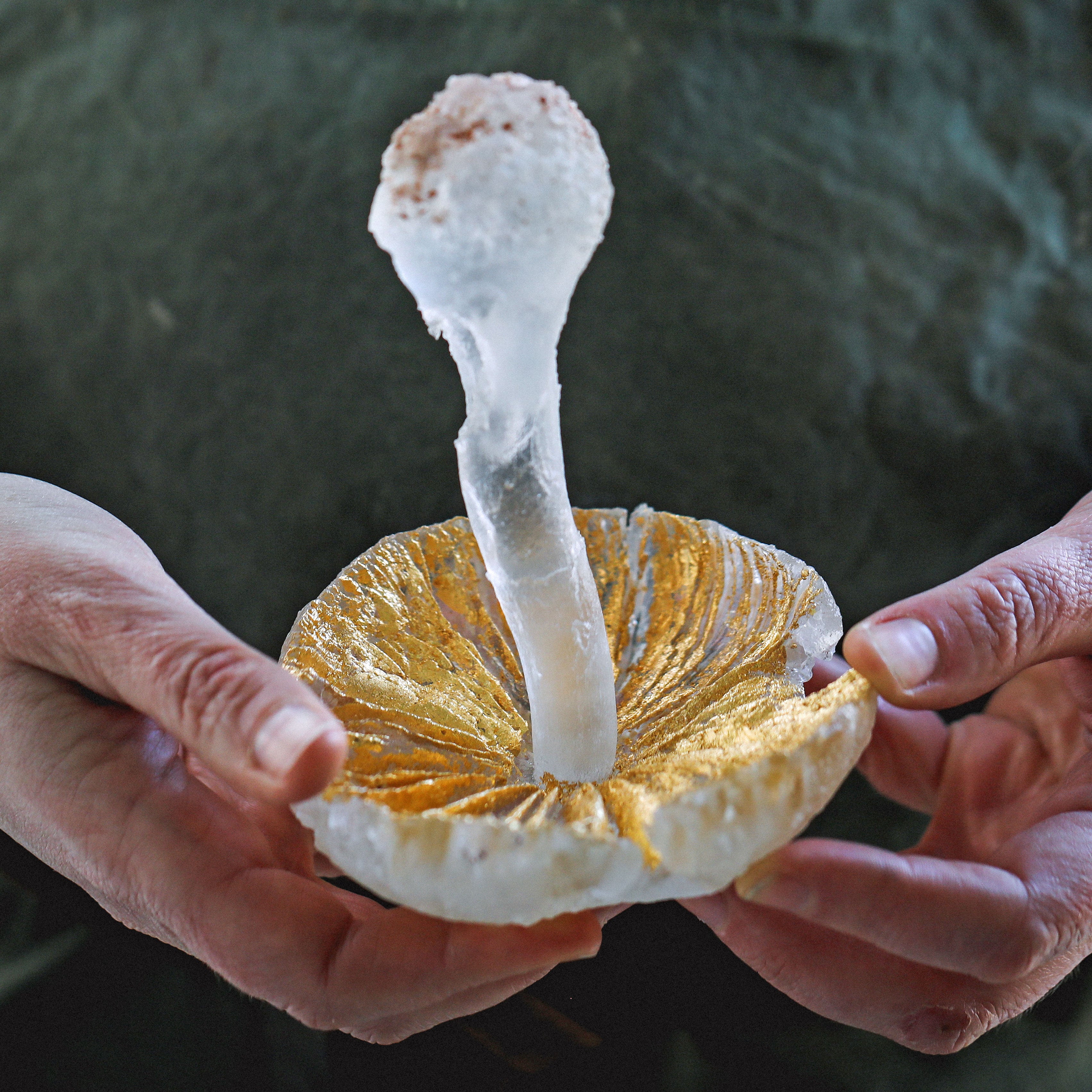
This talk focused on how learning new skills has continually evolved Effie Burns’ practice. She reflected on her affinity for small, portable objects and a lifelong habit of collecting natural ephemera. She described how her experience of landscape is bound to the things she gathered, creating an alternative diary of the seasons that makes the transient permanent, and responding to changes in studio glass in Sunderland and at North Lands Creative. Effie also outlined how becoming a QEST scholar, receiving a DYCP grant from Arts Council England, and a residency exploring ‘wearable glass’ with North Lands Creative, Ruthin Craft Centre and the National Glass Centre all played significant roles in developing her work.
Choi Keeryong
Glass Artwork as a Cultural Uncanny Object
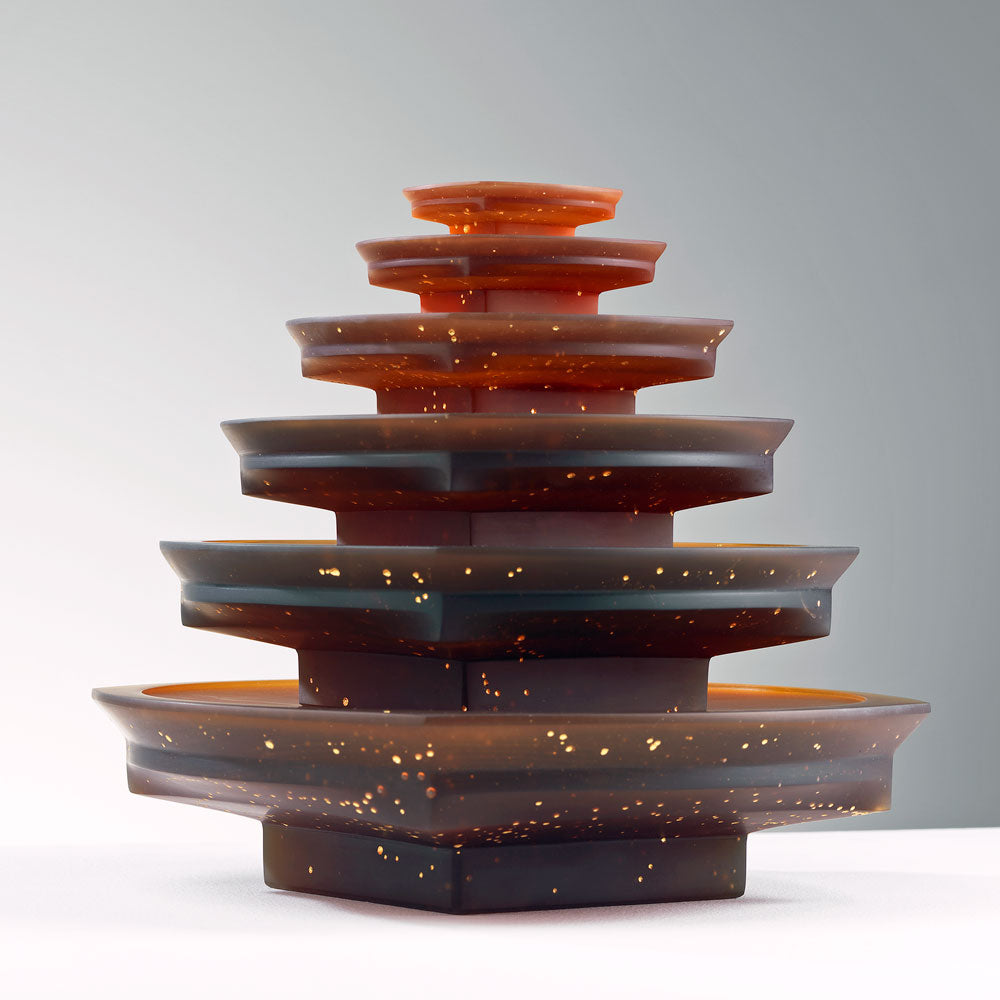
This talk examined the notion of unhomeliness through Choi Keeryong’s glass works, which intentionally embodied strangeness and resisted belonging within either Korean or British visual cultures. Choi reflected on living between cultures and the resulting pseudo-Korean-British imagery that can be read as both Western and Eastern, prompting questions about hybridity and cultural authenticity in contemporary life. He also outlined the techniques and processes underpinning the pieces.
Joshua Kerley
Mould Making for Kiln-Glass: Tips, Tricks and Hacks
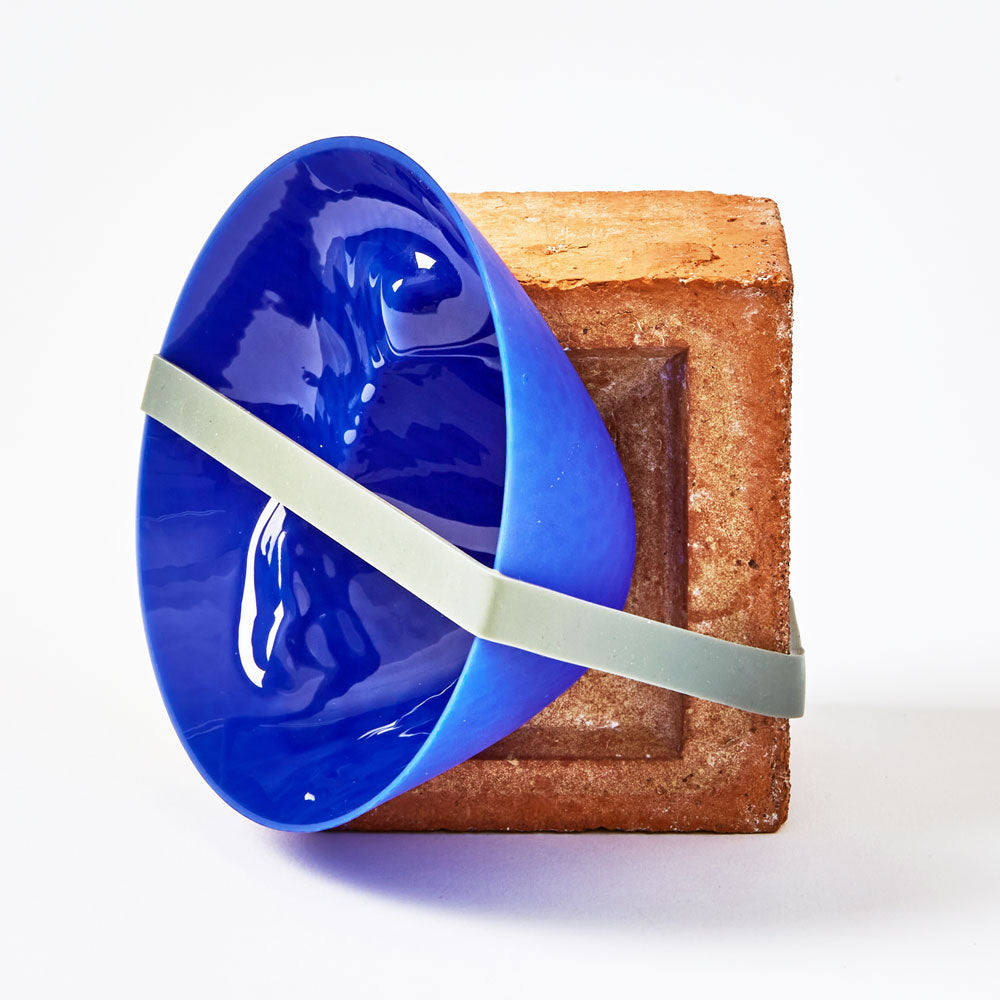
This seminar drew on Joshua’s ~15 years working with kiln-glass, specialising in mould-based processes such as kiln-casting, pâte de verre and slumping. He shared practical knowledge, hints and tips to make working with moulds more effortless and enjoyable, and examined approaches to fabricating plaster–silica moulds alongside the creative potential of ceramic, vermiculite and steel moulds. He also presented examples of hybrid moulds combining techniques.
Anthony Scala
The Architecture of Light
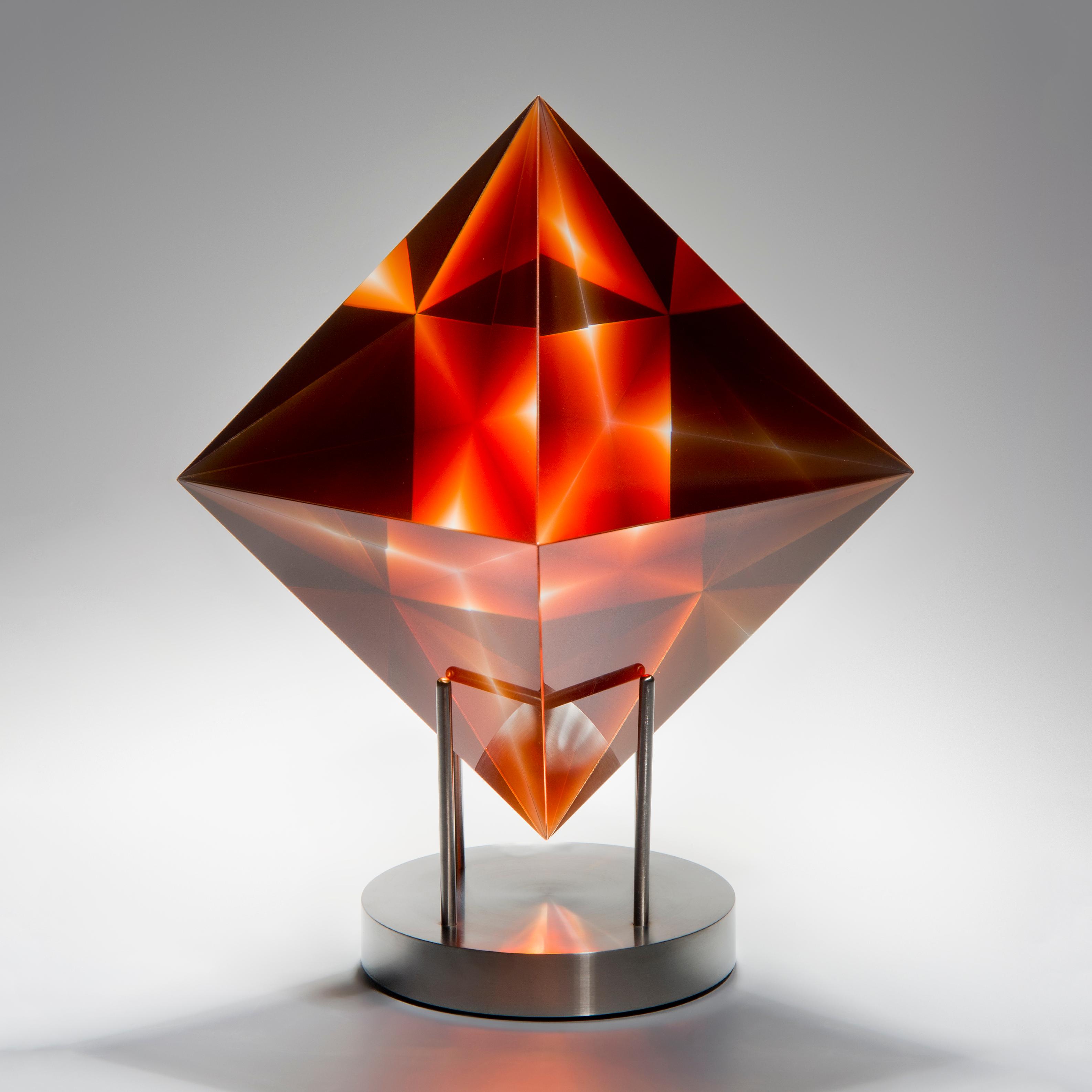
This seminar traced Anthony Scala’s path from architectural model making into studio glass, showing how early exposure to architectural processes shaped his lateral approach to making. He reflected on how his work has evolved and the mechanisms that fuelled that change. As a case study, he unpacked one complex piece, outlining the many processes behind it and candidly noting the perils and pitfalls encountered along the way.
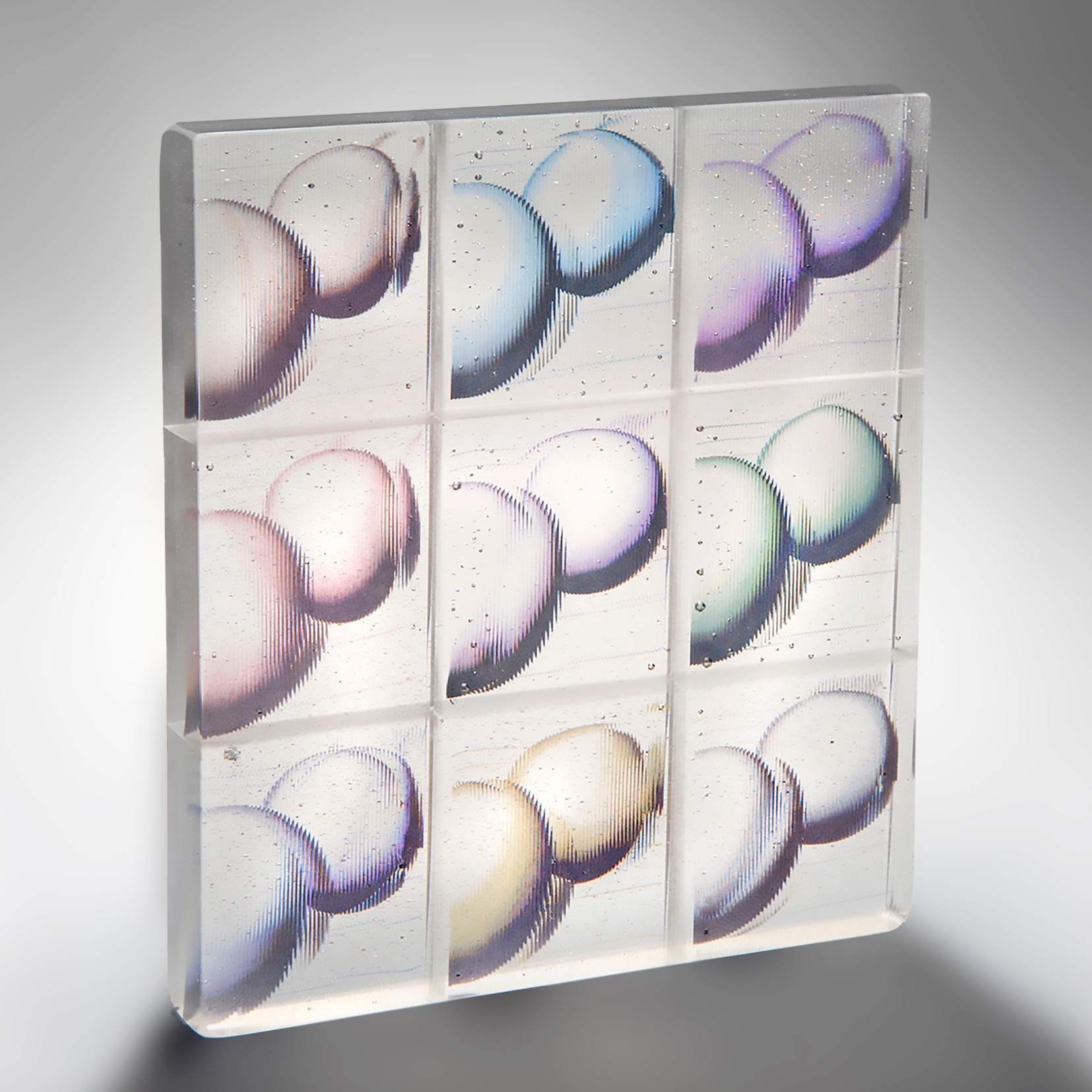
Helen Slater Stokes
Spatial Perception: A New Visual Language in Glass
This seminar traced our long fascination with images that play with perception and presented Helen Slater Stoke’s PhD research into how images are perceived within glass. She explored visual cues, stereoscopic methods and lenticular lens–based approaches to create spatial images that increase perceived depth and three-dimensional intensity, extending perception beyond the physical boundaries of the glass form. Helen outlined the technical developments achieved and showed works produced during the research.
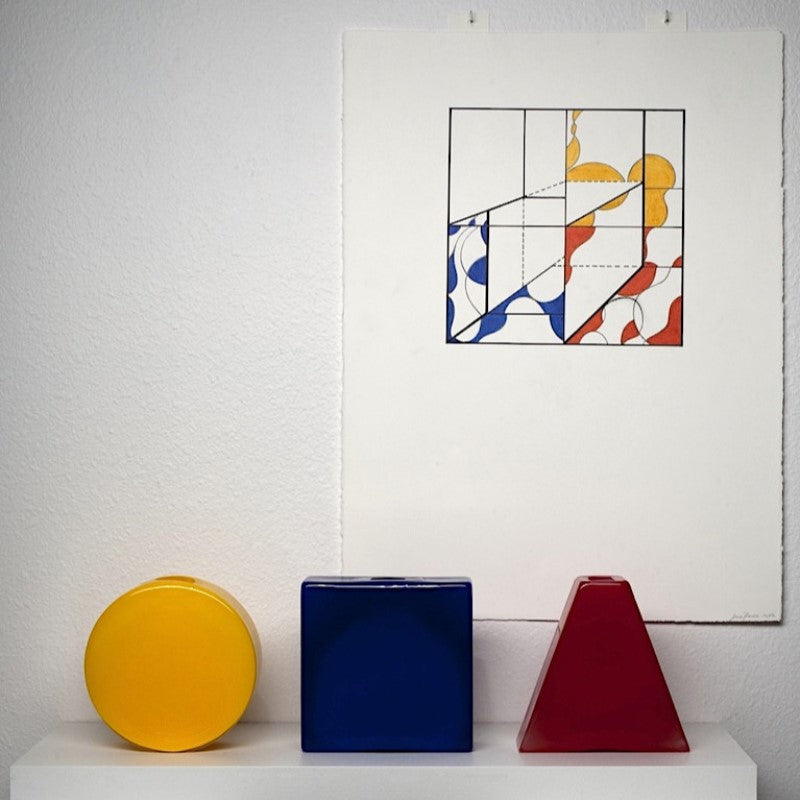
Jane Bruce
Towards Understanding - From Film to Glass And Back Again
This talk saw Jane Bruce reflect on pivotal series, what sparked them, and the rigorous research - drawings, models and tests - behind each finished work. Originally bound for film and theatre design, she was diverted by glass at the RCA and emerged as a member of the UK Studio Glass movement. Extensive travel and residencies shaped her practice; in retrospect, she recognises a constant thread across glass and, more recently, drawing and video: defining space and the viewer’s interaction with it.
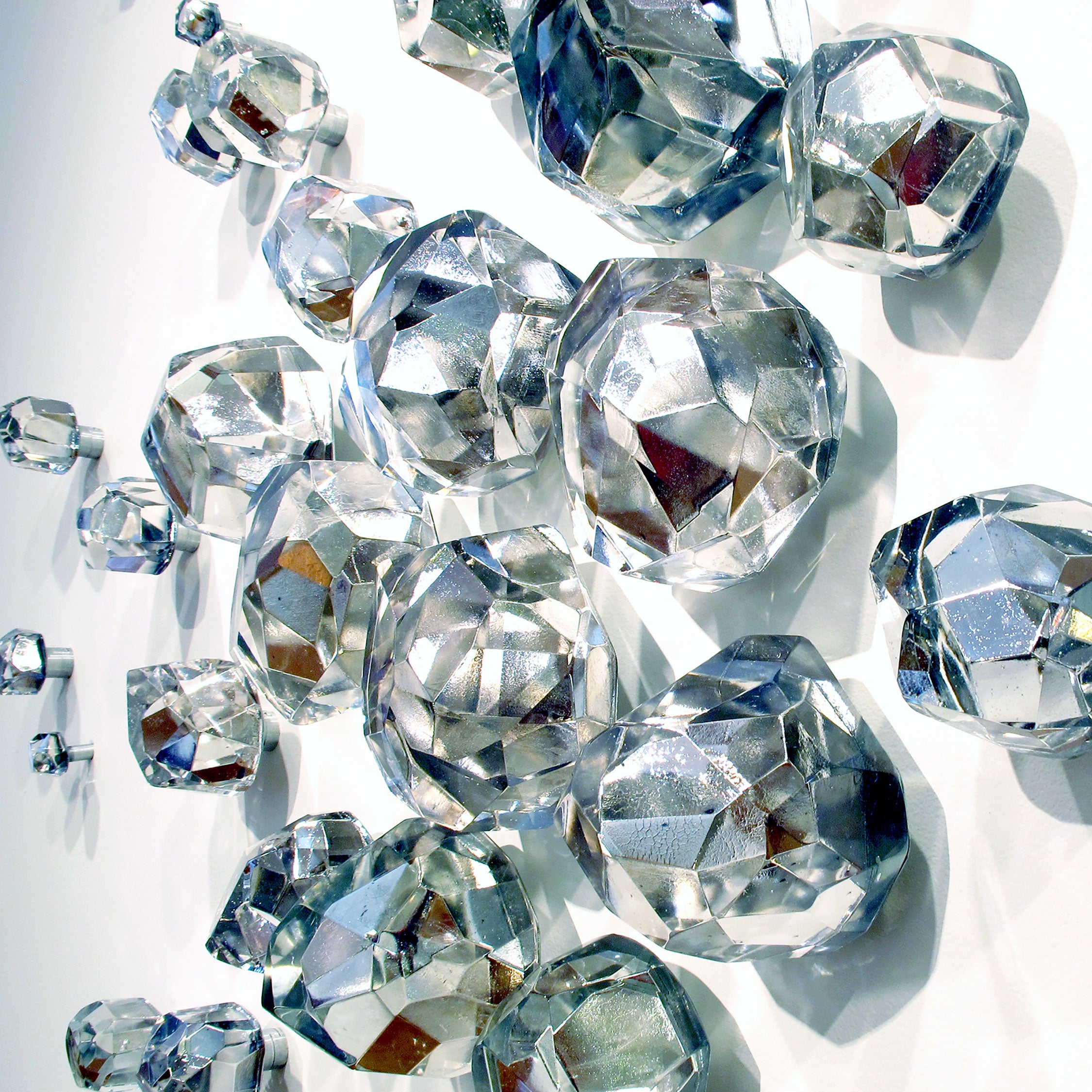
Joanna Manousis
'Mirrors of the Third Dimension': Cast Glass as a Canvas
This lecture mapped Joanna Manousis’ practice-based PhD at the National Glass Centre, exploring cast glass sculpture as a reflective canvas for varied mirror effects. She expanded the possibilities of silvering in cast glass, showing how method, glass body, refractory, firing and the chosen form can dictate surface precision, reflection and shine. She also discussed modifying refractory ingredients to prevent adhesion and using chemical polishing to bring crystal to peak clarity and lustre without effacing detail.
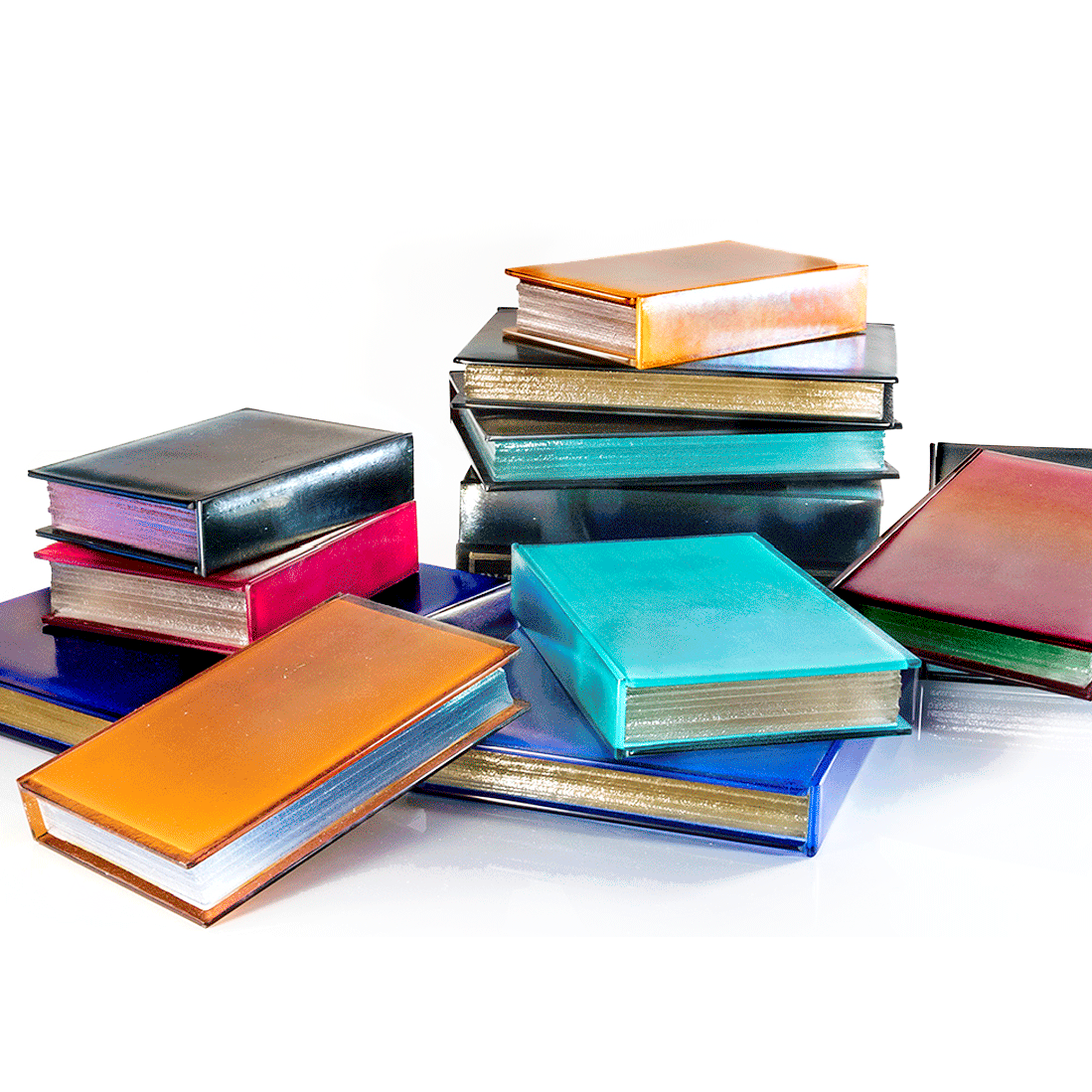
Bob Leatherbarrow
Concept to Creation
This lecture by Bob Leatherbarrow guided attendees through a structured approach to planning and creating glass art. Beginning with the ‘why’, moving to the ‘how’, and concluding with the ‘what’, it mapped each stage from defining and refining a vision, through testing methods, to execution and review. Using several finished pieces as case studies, Bob showed how he documents ideas, builds models, and tests materials and techniques using a science-based process before developing and completing the work. The approach offered a practical framework for planning new pieces and for answering the perennial question: ‘What’s this all about?’
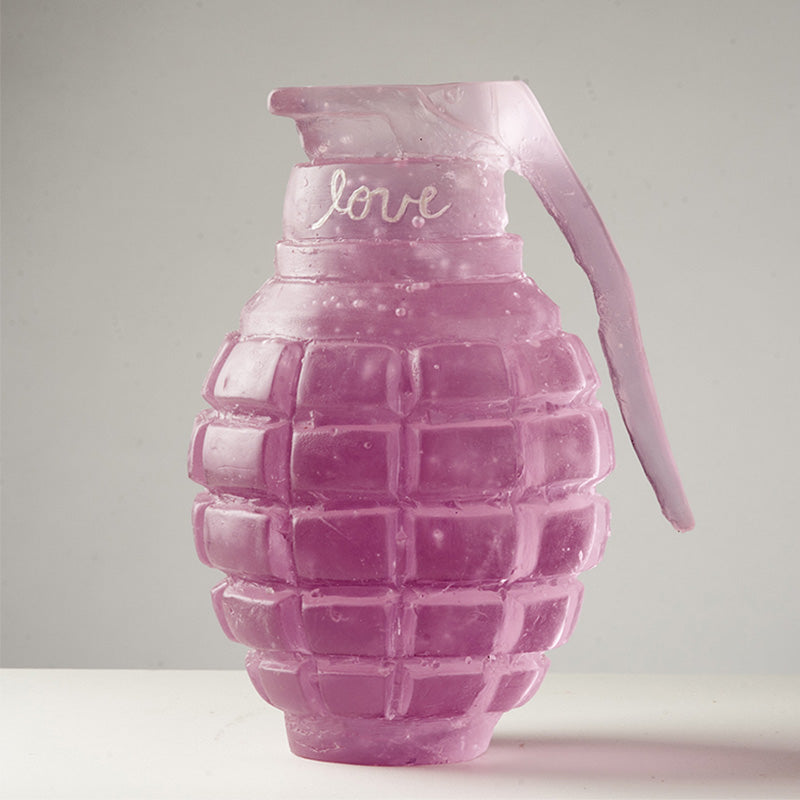
Silvia Levenson
Who in the world am I? That is the great puzzle!
This seminar by Silvia Levenson recounted her entry into glass and art, showing how curiosity and “not knowing” — rather than formal training — shaped her voice. She shared a travel anecdote about Murano and expectations around glass to illustrate how labels can mislead, and argued that doing and thinking are inseparable in her practice. Silvia emphasised the value of learning, sharing and reflection, and closed by reflecting on the recurring identity questions that inform her work — artist, Argentinian, Italian, activist — “that is the great puzzle.”
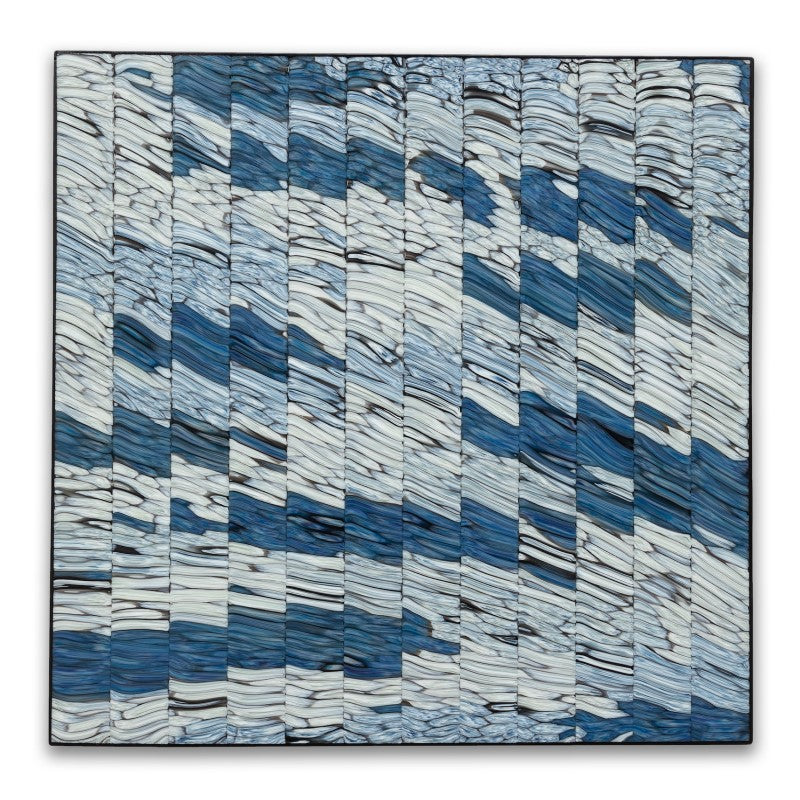
Nathan Sandberg
Am I Doing it Right?
We were taught many valuable skills in art school, including history, drawing, conceptual development, kilncasting, mould making, coldworking, firing wood kilns, and crafting goblets. However, practical topics such as packing, shipping, marketing, website management, accounting, and business development were rarely addressed. This Glass Talk questioned how artists were meant to navigate this reality. Nathan shared his insights, uncertainties, and experiences as he reflected on the evolution of his glass practice.
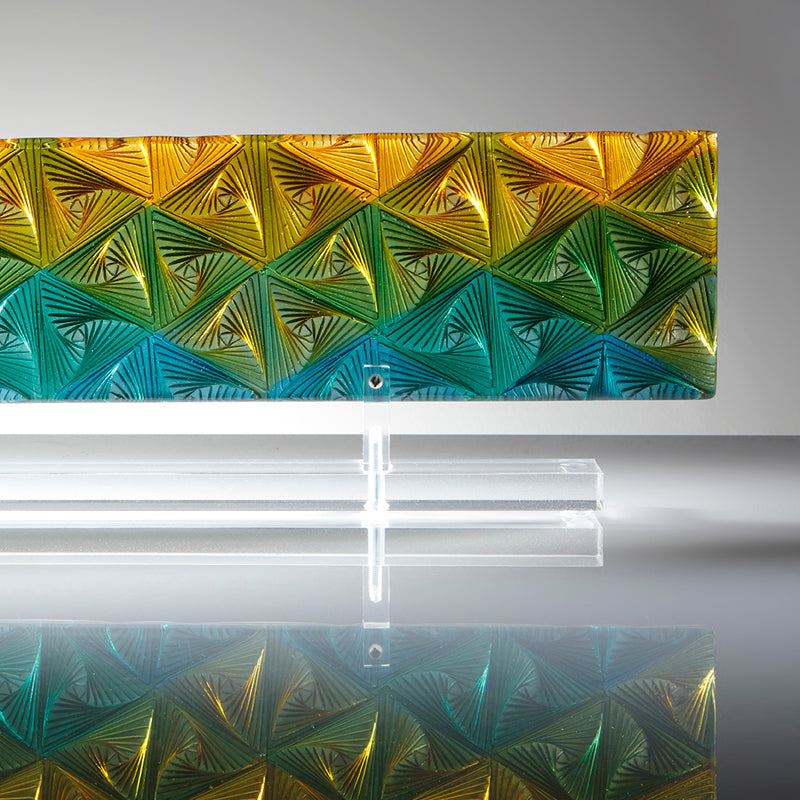
Georgia Redpath
The Elements of Creativity
This talk by Georgia Redpath drew on her 14 years of practice to show how pattern, a limited set of parts and repetition informed her work — likening this to the four basic elements, a box of LEGO and the 26 letters of the alphabet. She described casting as a reproductive, iterative method that, although slow, propelled development through multiples and the constant switch between positive and negative. Polished glass was shown to offer optical depth and the ability to see through a piece, while subtler translucent finishes held light and produced an inner glow. Together these three elements framed ongoing lines of inquiry that she continued to pursue.
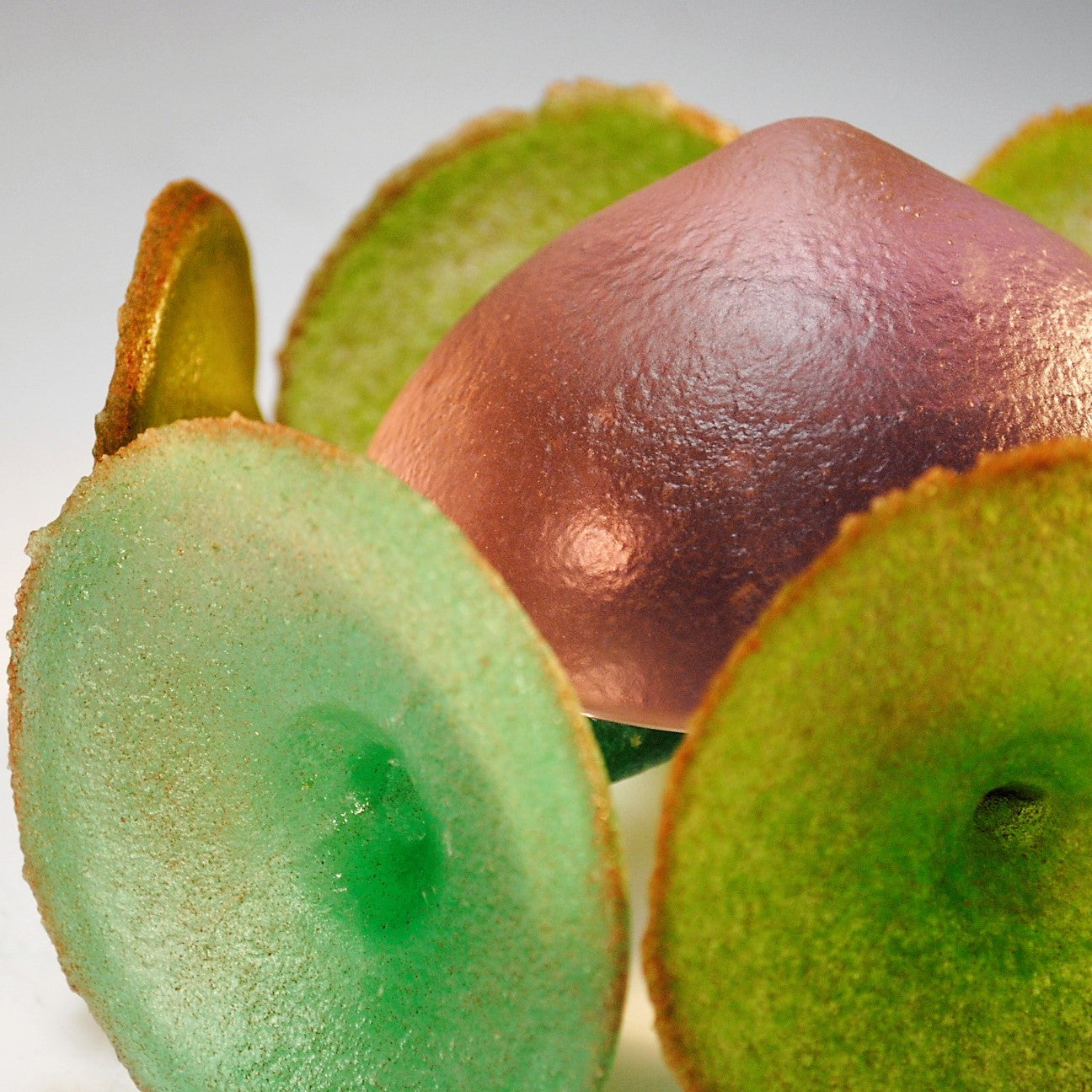
Saman Kalantari
Glass Artist by Accident(s)
This illustrated seminar explored Saman Kalantari’s journey into glass, which began when he left Iran in 2004 and settled in Italy. After encountering glass by chance in a gallery, he adopted it as his primary medium, using it to express social and political experiences shaped by life in both Iran and Europe. Drawing on his background in ceramics, Saman discussed his approach to working with waste, recycled materials, and found objects, transforming them into works with new identities. He reflected on his process as an alchemical one, combining the elemental forces of fire, air, earth, and water to convert organic materials into glass.
Ian Chadwick
The Ritual of Process
This Glass Talk reflected on Ian Chadwick’s evolving career in glass, shaped by chance influences rather than a fixed direction. Although involved in art and glass for over 30 years, he described his journey as ongoing and still in its early stages. Paul’s practice has focused on process over concept, driven by the pursuit of pattern and increasing geometric precision. He discussed how education and life experiences informed his approach to making and how technical challenges have led to new ideas. The talk also considered how clarity of vision and artistic intent can help define a distinctive identity in glass.